Water Damage Restoration in Cicero, IL
Water in the basement right now? We pump it out, clean up sewer backups safely and dry your home properly, across Cicero and the near west suburbs.
- Water removal and drying
- Sewer backup cleanup
- Photos and moisture logs for insurance

Before help arrives
Then call. We will take it from there.
- 1Water coming up the floor drain? Stop using water: no laundry, showers or flushing.
- 2Pipe leak? Shut the main valve, usually in the basement on the street side.
- 3Stay out of basement water that could reach outlets or the furnace.
- 4Photograph the water line and the damage before anything is moved.
What is happening at your place?
Pick what you see. Each page explains what to do now, what the work involves and what insurance usually covers.
- Water came up the floor drainSewer backup
- Water in the basementSeepage, sump pump, storm
- A pipe burst or frozeWalls, ceilings, floors
- Water through the ceilingRoof, ice dam, upstairs unit
- A storm flooded the streetFlash flood cleanup
- Water heater or washer leakedAppliance leaks
- Mold or a musty smellAfter a leak or flood
- Water in a store or apartment buildingCommercial
Why water damage hits Cicero homes
Flat ground, a century-old combined sewer and some of the densest housing in the Chicago suburbs. Then storms bigger than the sewers were built for.
Rainfall in inches, against the official 100-year, 24-hour storm for the area.
- 100-year storm, older standard
- 7.58 in
- 100-year storm, updated standard
- 8.57 in
- Rain in Cicero on July 2, 2023
- 8.6 in
Source: Town of Cicero CDBG-DR Action Plan.
Sewer backups in heavy rain
Cicero's sewers carry storm water and wastewater in the same pipes, through brick interceptors built in the early 1900s that drain south toward Pershing Road and the MWRD's Stickney plant. They also carry flow from Chicago, Berwyn and Oak Park. The Town's sewer master plan found much of the system can carry only about a six-month storm before it surcharges and basements back up. Water that comes up through a floor drain is contaminated and needs sewer backup cleanup, not a standard dry-out.
July 2, 2023
8.6 inches of rain fell on Cicero that day. The fire department answered 309 calls in 24 hours, some basements filled with up to four feet of water, and FEMA received 6,067 registrations from Cicero homeowners. The Town is now spending federal recovery funds on stormwater storage, sewer repairs, permeable alleys and backflow valves. Read about storm and flash flood cleanup.
Old houses, full basements
About 80% of Cicero's housing was built before 1959: 42% single-family homes, mostly brick bungalows, 30% two-flats and 23% small apartment buildings. Nearly all sit over basements, and many of those basements now hold laundry rooms, family rooms or living space. See flooded basement cleanup.
Chicago-area winters
On January 30, 2019, the National Weather Service recorded -23°F in Chicago. Cold like that freezes pipes in enclosed back porches, outside walls and vacant units, and a leak in an upper flat reaches the floor below. Read about frozen pipe damage and leaks between floors.

How the restoration process works
The first two stages happen fast. Drying takes patience. Repairs only start once readings confirm everything is dry.
 1
1Inspect
Find the source, check safety and measure how far the water went with moisture meters.
 2
2Remove water
Pump out standing water and extract water from carpet, pad and floors.
 3
3Dry and dehumidify
Dehumidifiers and air movers run, with daily readings, until materials are back to normal.
 4
4Restore
Replace what could not be saved: drywall, insulation, flooring, paint and trim.
Water damage services in Cicero
Every kind of water problem, from a few inches in the laundry room to a whole flooded basement.

Emergency Water Removal
Standing water pumped and extracted before it soaks deeper.

Flooded Basement Cleanup
Bungalow and two-flat basements after storms, seepage or pump failures.
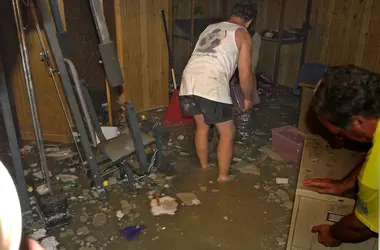
Sewer Backup Cleanup
Safe removal and disinfection when the sewer comes up the floor drain.
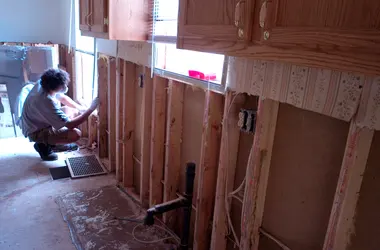
Burst & Frozen Pipes
Pipes that split in a cold snap, often in back porches and outside walls.
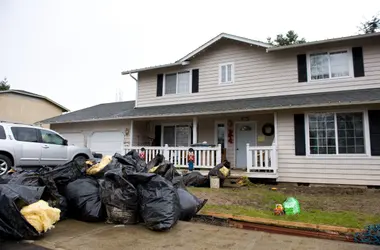
Storm & Flash Flood Damage
Cleanup after cloudbursts that overwhelm the streets and sewers.
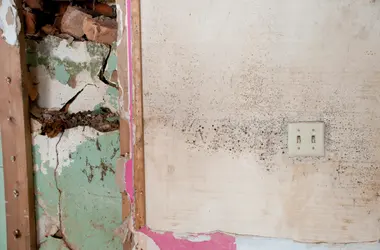
Mold Remediation
Removing mold that grows after a leak, flood or backup.
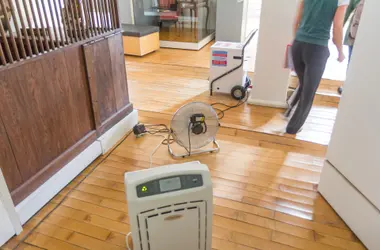
Structural Drying
Drying plaster, brick, framing and floors with measured readings.
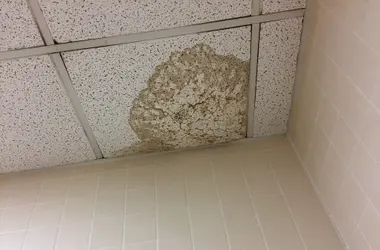
Ceiling & Roof Leaks
Ice dams, flat-roof leaks and water coming through from upstairs.
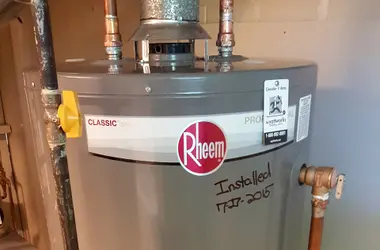
Appliance Leaks
Water heater, washer, dishwasher and fridge line leaks.
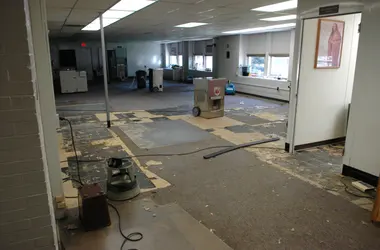
Commercial Water Damage
Storefronts, offices and apartment buildings, with less downtime.
Areas we serve
All of Cicero, from the streets around Cermak Road and Laramie Avenue to the blocks near Roosevelt Road, Austin Boulevard and Pershing Road, plus the towns around it. Crews come to you.
Help with your insurance claim
Whether a claim is paid often comes down to two things: what caused the water, and how well the damage was documented. In Cicero, the first question is usually whether your policy has a sewer backup endorsement.
Every job is documented with photos, daily moisture readings and a written scope, so your adjuster has what they need. You stay in control of your claim.
| Cause | Usually covered by | Watch out for |
|---|---|---|
| Sewer or floor drain backup | Only with a sewer backup endorsement | Excluded from most standard policies. The most common Cicero basement loss. |
| Burst or frozen pipe | Homeowners policy | Sudden and accidental. Freeze damage can be denied if the heat was off. |
| Water heater or appliance failure | Homeowners policy | Covers the water damage; the appliance itself usually is not. |
| Surface water from a storm | Flood insurance (NFIP or private) | Homeowners policies exclude it. Flood policies usually start after 30 days. |
| Ice dam or roof leak | Homeowners policy (often) | Interior damage is often covered; the roof repair may be separate. |
| Slow leak over weeks or months | Usually not covered | Treated as wear, tear or maintenance. |
General guidance only. Every policy is different, so check yours or ask your agent. The Illinois Department of Insurance can help with questions about your policy.
What is water damage restoration?
Water damage restoration is stopping the water, removing it, drying the building's structure until moisture readings are normal, and then repairing what could not be saved. In Cicero, the most common cause by far is the combined sewer backing up into basements during heavy rain, followed by frozen pipes and leaks between floors.
Last updated .
Water damage questions from Cicero homeowners
Why does water come up through my basement floor drain?
Cicero has a combined sewer: rain and household wastewater share the same pipes. In a heavy storm the sewer fills, and water rises to the lowest opening, which is usually the basement floor drain. The Town's sewer study found much of the system holds only about a six-month storm before basements start backing up. See sewer backup cleanup.
How fast does water damage need to be dried out?
As fast as possible. The U.S. EPA advises drying water-damaged areas and items within 24 to 48 hours to prevent mold growth. Extraction should start within hours; full drying usually takes several days.
Is a sewer backup covered by homeowners insurance in Illinois?
Usually only if your policy has a sewer backup endorsement. Standard homeowners and flood policies typically exclude it. Sudden pipe bursts and appliance failures are usually covered; surface flooding needs flood insurance.
Does the Town of Cicero help pay for a backflow valve?
The Town's Basement Flood Prevention Program helps eligible homeowners whose homes flooded in 2023 install backflow prevention systems, or reimburses ones already installed. It has income limits and requires insurance with a sewer backup rider.
How much does water damage restoration cost?
It depends on how much area is wet, whether the water was clean or from the sewer, how long it sat and what materials were affected. Prices should come after someone has measured the damage on site, not before.
How long does water damage restoration take?
Water removal usually happens on the first visit. Drying most homes takes three to five days, longer for basements, brick and plaster. Repairs start once moisture readings confirm everything is dry.
Can I stay in my home while it dries?
Usually, yes, if the water was clean and the electricity is safe. After a sewer backup, keep children and pets away from the affected area until it has been cleaned and disinfected.
Which towns do you serve?
Cicero and nearby towns: Berwyn, Oak Park, Forest Park, Stickney, North Riverside, Riverside, Lyons, Brookfield.
Question not answered here?
Call now: (708) 360-8574Sources
- Town of Cicero: CDBG-DR Action Plan (draft, July 2025)
- Town of Cicero: Basement Flood Prevention Program
- U.S. EPA: A Brief Guide to Mold, Moisture and Your Home
- Metropolitan Water Reclamation District of Greater Chicago: Flood Resource Guide
- National Weather Service Chicago: Record Cold, January 30-31, 2019
- FloodSmart.gov: the National Flood Insurance Program
- Illinois Department of Insurance
General information only, not insurance or legal advice.
Water still coming in? Call now.
Shut off the water if you can do it safely, keep away from wet outlets, and call. We will talk you through the next few minutes and get help moving.